“I'm just not
good at languages.”
That's exactly what I told myself as a teenager.
Hi, I'm Lýdia Hric Machová – but everyone calls me Lydka. On this page I'll tell you my story: how I went from failing at Spanish to building a method that has helped thousands of people who'd struggled with languages for years.
My story
Four tries at Spanish
I dreamed of South America, so I started learning Spanish – and gave up three times: twice with a self-study book and once in a course.
The fourth time, I did things completely differently. No textbooks, no studying – just a little Harry Potter in Spanish every evening and casual chats with Gaby, a friend from Mexico. Six months later, I realized I could actually hold a conversation, which really surprised me. That was the first time I thought: maybe I wasn't the problem after all.

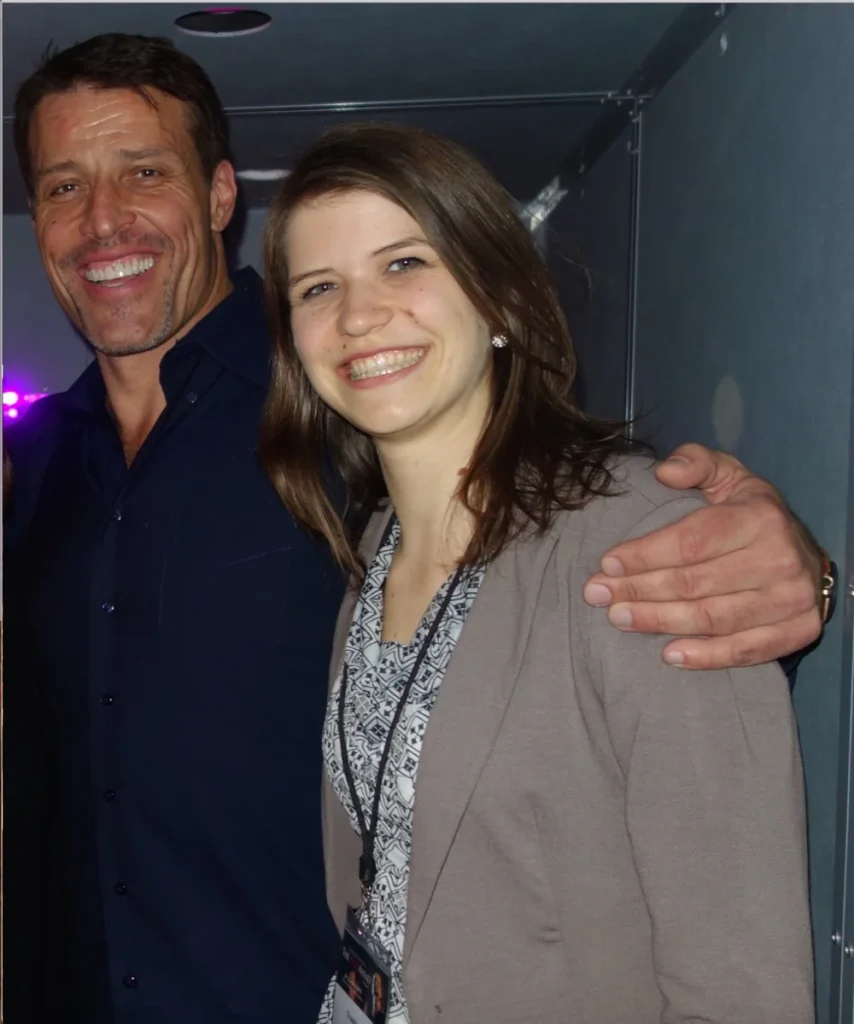
By day a teacher, by night an independent learner
I was hooked. I studied translation and interpreting, got a PhD, and taught English and German on the side – at language schools, high schools, companies and a university. All by the book, the way it's supposed to be done.
But in the evenings, I had a second life as an independent learner. Every two years or so, I picked up a new language and got it to fluency.
My students, though, weren't getting the same results. They did everything I told them to, and after years they still couldn't really speak. The longer I was teaching, the clearer it became that something was off – and that it wasn't them.
Berlin 2015: hundreds of people who learn like I do
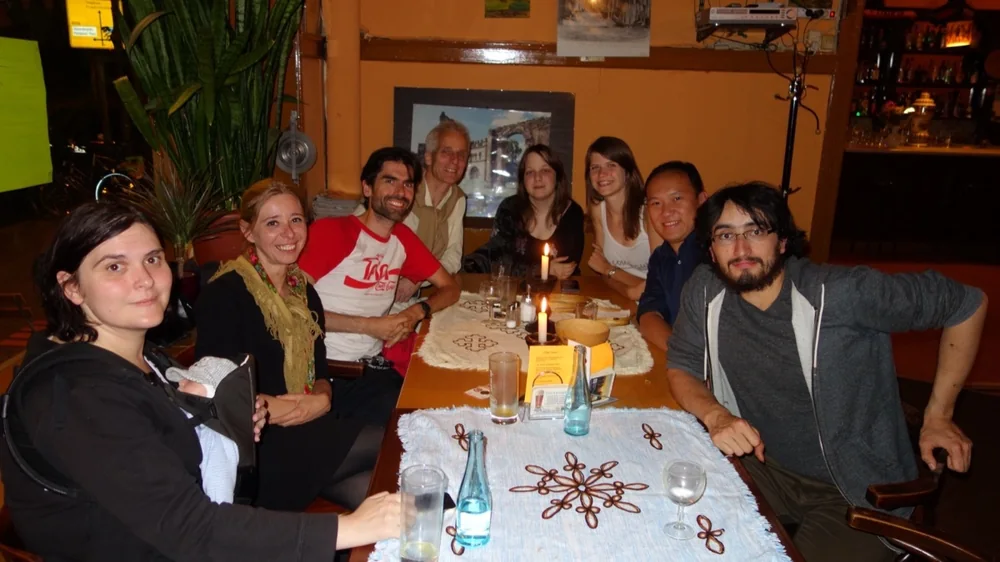
I found the answer at the Polyglot Gathering in Berlin, where hundreds of polyglots came together. I expected a room full of geniuses. Instead, I met completely normal people. Everyone learned a bit differently, but we all followed the same principles – the ones I'd stumbled on myself while learning Spanish.
That's when it clicked. I could teach other people – not a language, but how to learn one.
I founded Language Mentoring
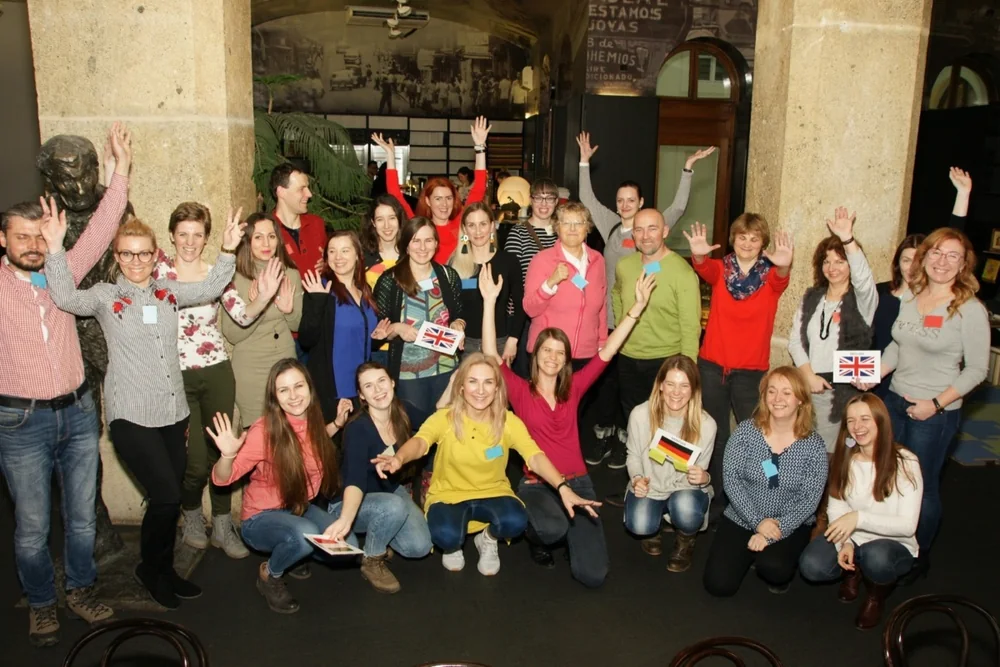
In 2016 I founded my company, Language Mentoring. The name says what we do: a teacher teaches you a language, but a mentor teaches you how to learn it on your own. For the first ten years, Language Mentoring was also the name of my method. Its principles haven't changed since day one: learning has to be fun, you need daily contact with the language, you need methods that actually work, and you need a system, so it doesn't depend on your mood.
Over time a team joined me, and thousands of people went through our courses, including many who had long since given up on languages:
“I've spoken more English in the last three or four weeks than in the past 30 years.”
“At first I was a bit skeptical – about learning with AI and about the ALMI BOAT method. But I was pleasantly surprised: in one month, I learned to say more useful things than I ever have in so little time.”
How the Lydka Method came to be
Then ChatGPT came along. In 2023 we started using it in our courses, and I was thrilled that clients finally had more ways to practice than booking tutors or talking to each other. But there was a catch: a general-purpose AI doesn't know you, has no method, and unless you're an expert, you don't know what to ask it. (When I posed as a beginner, ChatGPT confidently gave me all sorts of nonsense advice – and kept praising me the whole time.)
So in 2025 we took the biggest step in our company's history: instead of using AI as a side helper, we made it the core of our products. The method itself didn't change. It's still the principles polyglots use, which I tested on myself with nine languages. What's new is that I turned them into my own AI tools. The result is a simple, effective system for learning languages: the Lydka Method.
ALMI – my digital twin
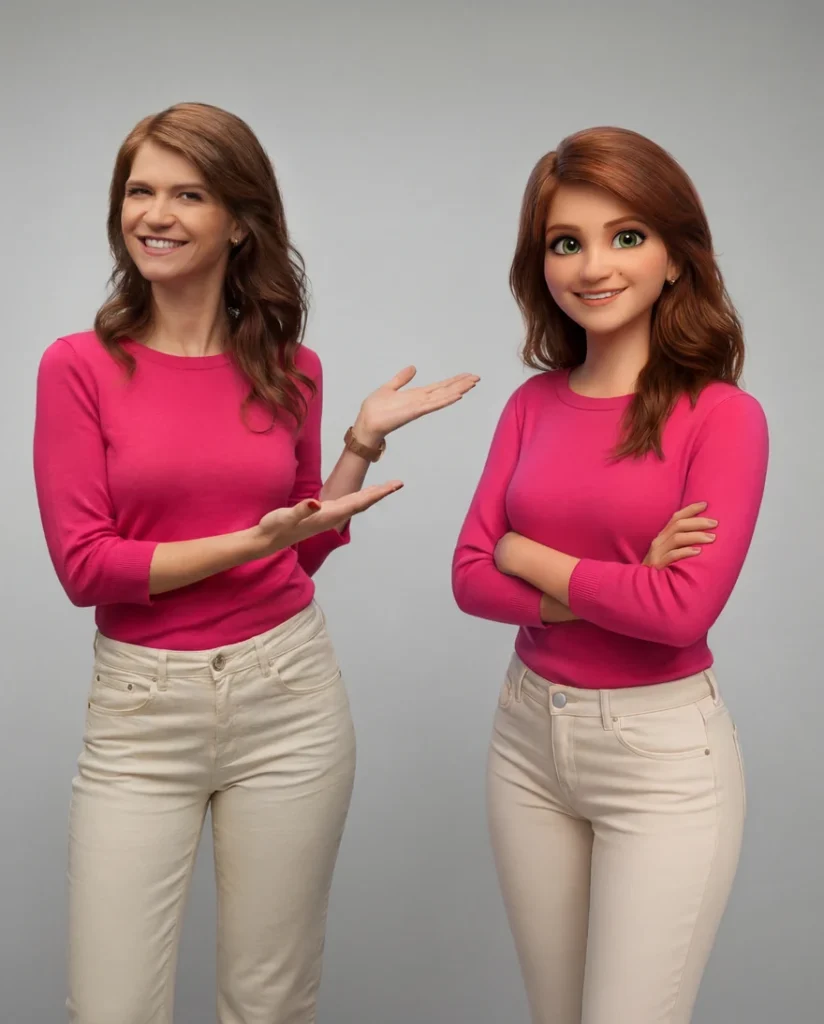
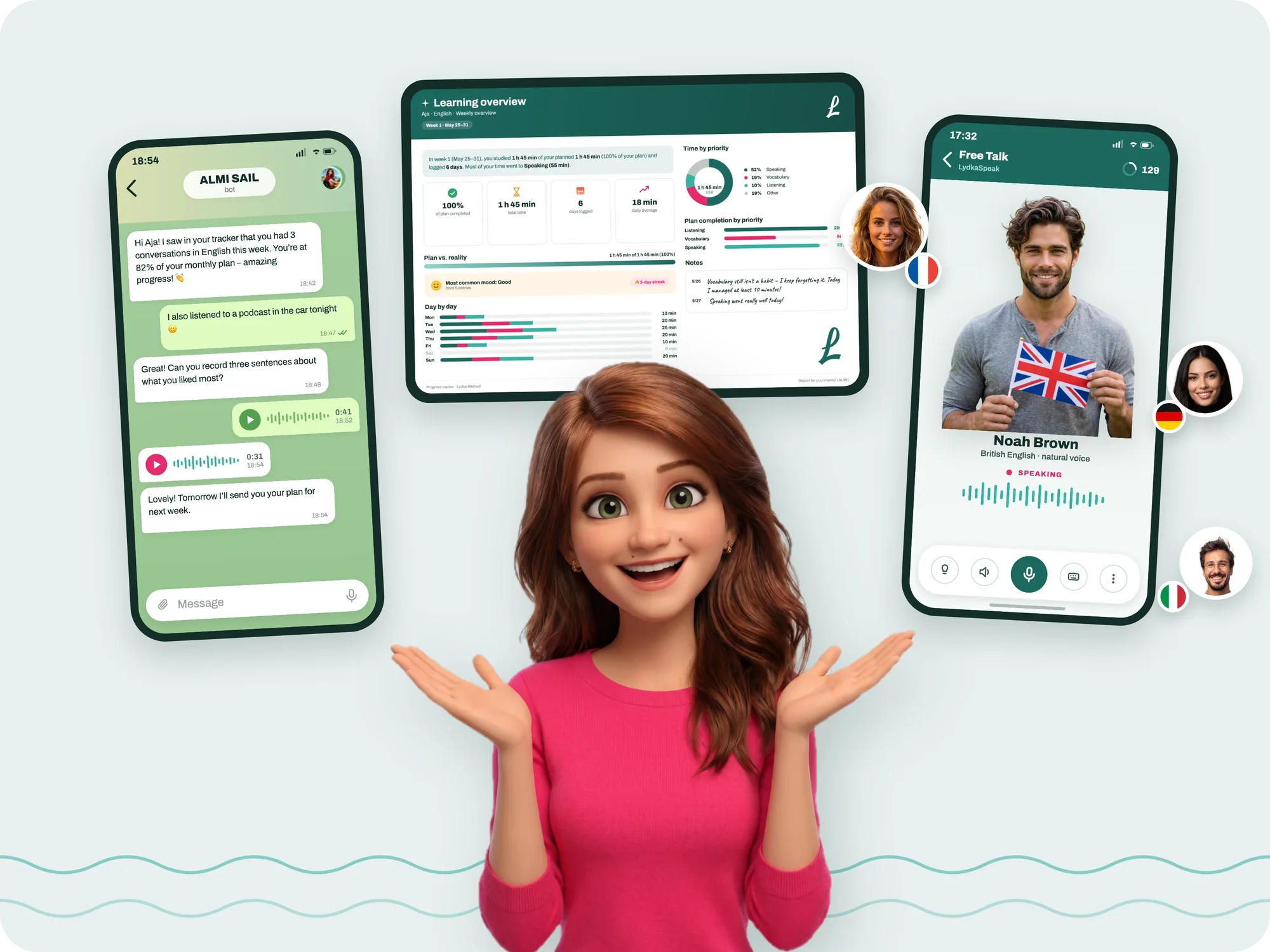
At the heart of the Lydka Method is ALMI, my digital twin. I put all my know-how about learning languages into ALMI, and I keep training her. Chatting with her feels like I'm guiding you personally. She remembers your topics, your goals, and what didn't go well last month. She answers language questions like an experienced teacher, and when your motivation dips, she cheers you on like a supportive mentor. Unlike me, she can do that for thousands of people at once. (I'd be worn out after twenty clients!)
I love hearing clients call ALMI their learning partner. And 97% of them recommend her to others.
“It's like having a language coach 24/7. I've stuck with it longer than ever, after so many failed attempts – 17 hours of English in one month. You couldn't get that at a language school, even going twice a week.”
“I knew two words of Polish. A month later, I can say 150–200 sentences. I walk my dog at night and say them out loud – anyone overhearing me would think I speak Polish. It feels so good.”
LydkaSpeak – a tutor in your pocket
ALMI guides your learning and plans your next steps, and you can even send her voice messages. But that's not enough for real speaking practice.
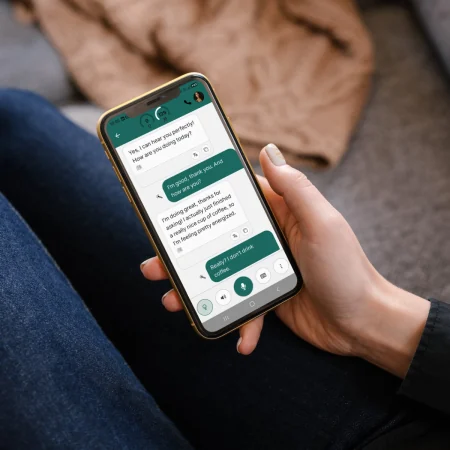
That's why ALMI comes with a separate speaking app packed with special features: LydkaSpeak. It's like having a tutor in your pocket: a 10–15 minute conversation whenever you have a moment, like while you wait for lunch or on a drive. You can talk as long as you like, but 10–15 minutes a day is enough to see real progress in a few weeks.
Why you can trust me
Facts instead of promises:

- ›I learned nine languages mostly on my own, without living abroad.
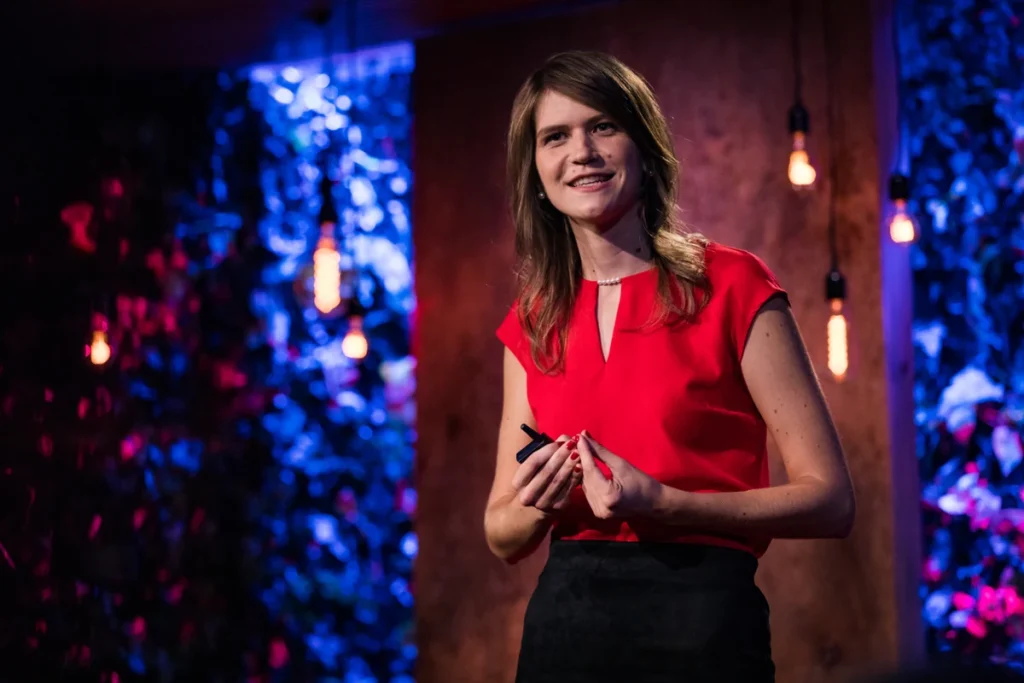
- ›My talk on the official TED stage in New York has over 20 million views.
- ›I studied languages and earned a PhD. For six years I worked as a professional interpreter of English and German.
- ›Every year since 2021, we've been among the top 10 language schools in Slovakia (where we're based).
- ›More than 24,000 clients from Slovakia, the Czech Republic and around the world have taken our courses.
My languages
Each of my nine languages has its own story. I learned each for a different reason and in a different way.


I won't pretend I speak all nine every day. Since my daughter was born, I get even fewer chances to practice, and a language you don't use gets rusty, even for polyglots.
But that taught me the most important thing: a language you've taken to a solid B2 (upper-intermediate) doesn't disappear. I've seen it with Russian, Spanish and French – after years of no contact, I got each of them back within days or weeks.
Recorded a few years ago.
Who's behind Lydka
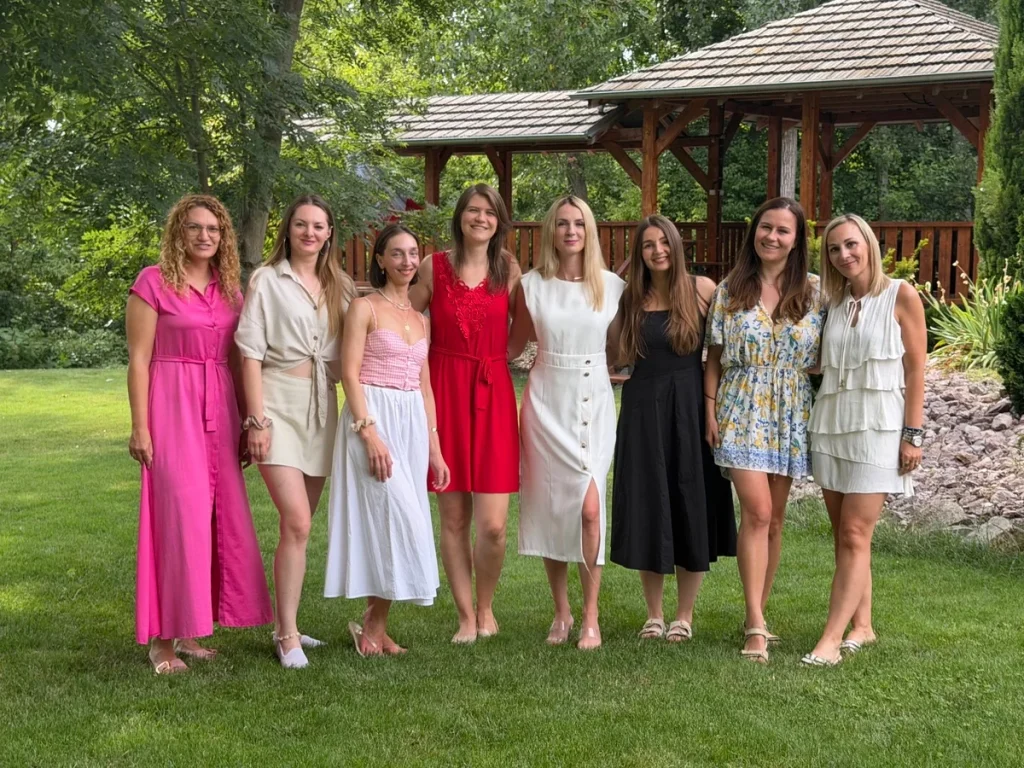
I'm not doing this alone. Seven talented people and several freelancers work with me. Together we take care of our clients, from support when you get stuck to monthly improvements to ALMI. And if apps aren't your thing, we'll walk you through them step by step.
We work fully online, and we all love what we do. Maybe that's why we keep getting better: we try new things, learn from each other, and use AI not just in our products but in our own daily work.
BOAT and SAIL
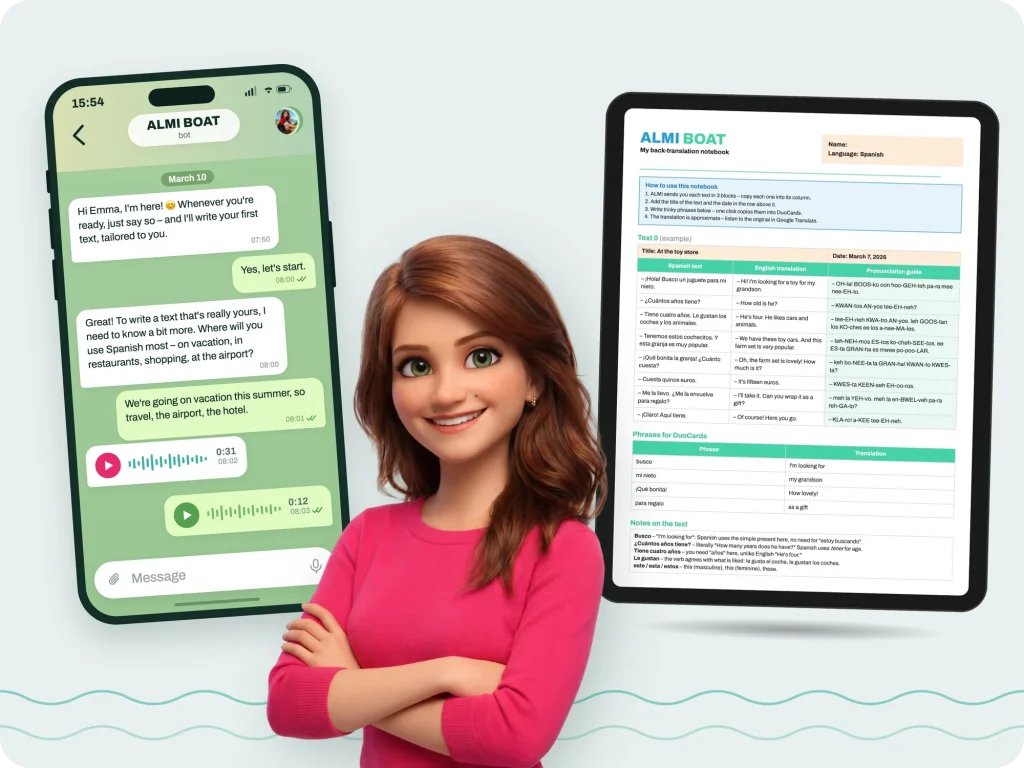
The Lydka Method comes in two forms: Lydka BOAT and Lydka SAIL. Why these names? The easiest way to explain is with a film almost everyone has seen: Cast Away.
In Cast Away, Tom Hanks's character tries to escape a deserted island on a flimsy raft, and the waves keep throwing him back onto the shore. He only gets away when he builds a proper boat and sails it past the biggest wave.
Lydka BOAT
Languages work the same way. When you're starting from zero, you're stranded on a deserted island and can't talk to anyone. To get off it, you need a strong base – your own boat, built plank by plank. In Lydka BOAT, you build that boat. It's for complete beginners, and for anyone who has started over many times and still doesn't feel solid.
Lydka SAIL
Once your boat is built (a solid A2 or a low B1), you're ready to sail. Lydka SAIL is for you if you understand simple texts and can say a few things, but still don't feel confident. Here you soak up the language by listening and reading, strengthen your foundations with vocabulary and grammar, and above all, speak a lot. Once you sail past the biggest wave – a solid B2 – the language is yours for good. Even after years away from it, you'll still be able to use it.